

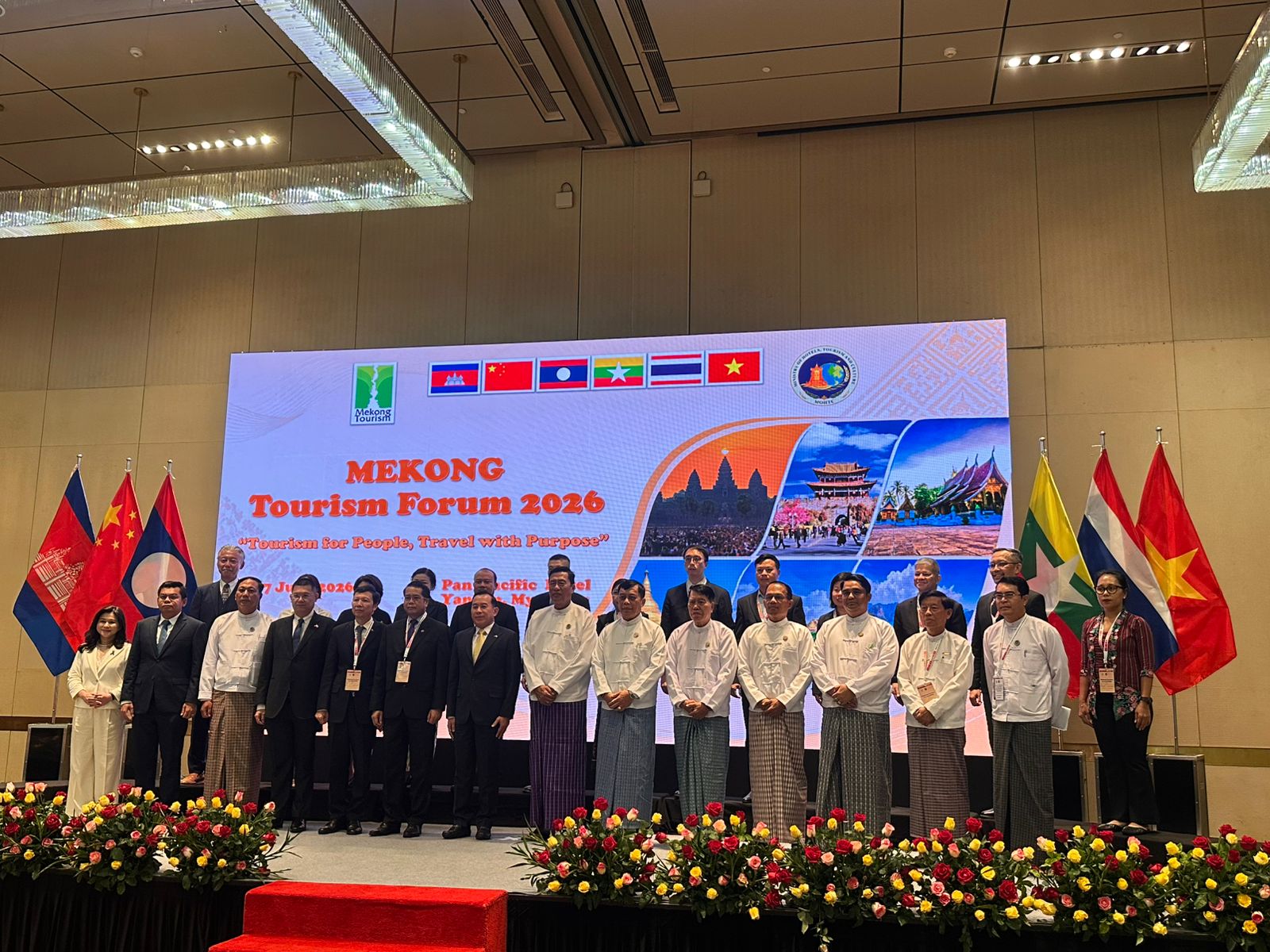
[Report] Managing Director Masaru Takayama Keynoted at the Mekong Tourism Forum 2026
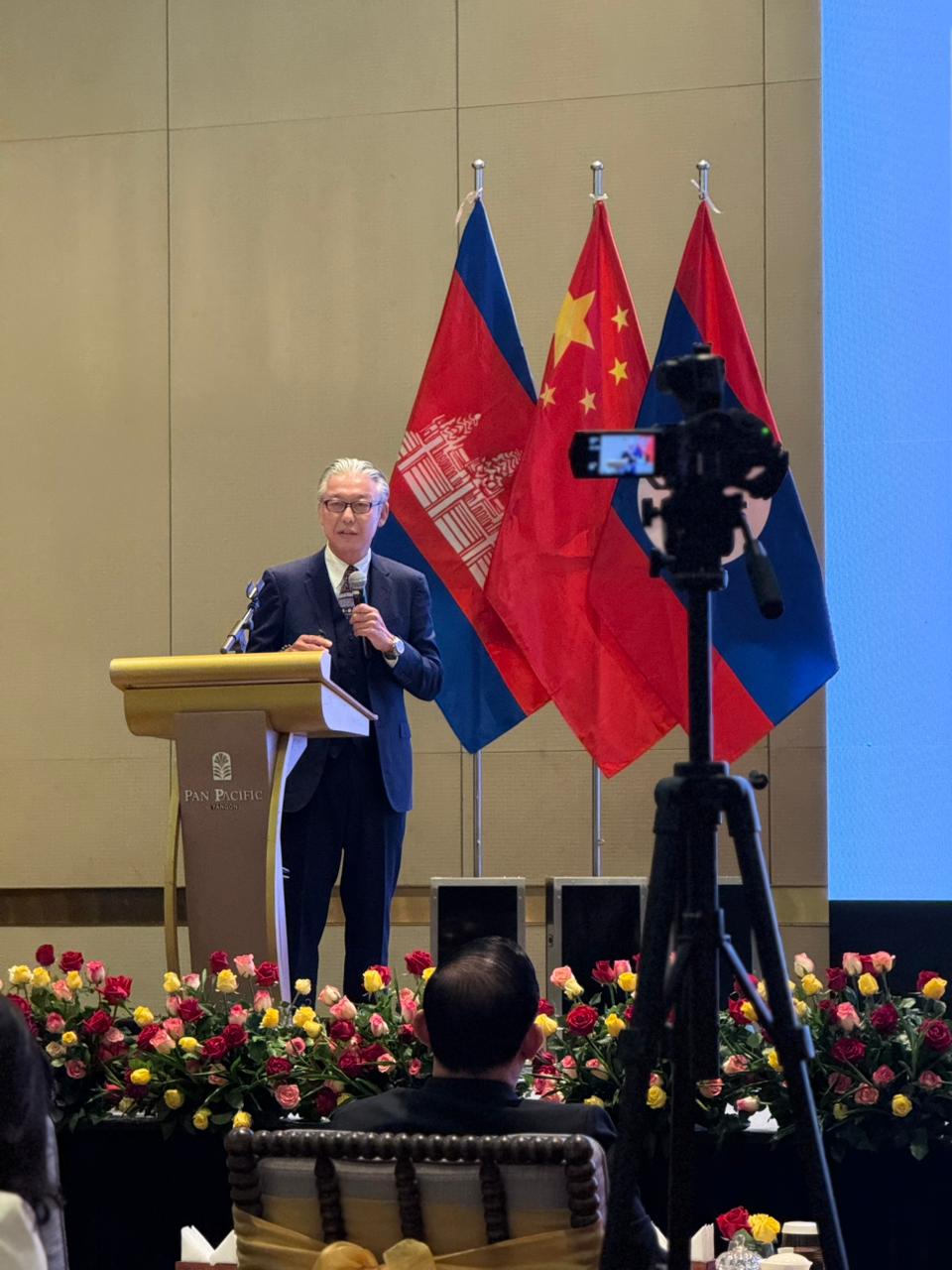
Masaru Takayama, Managing Director of JARTA and founder of the Asian Ecotourism Network (AEN), delivered the opening keynote address at the Mekong Tourism Forum 2026, an international forum organized by the Mekong Tourism Coordinating Office (MTCO).
The forum was held from2026年6月16日から18日にかけて、ミャンマーのヤンゴンにある「パン パシフィック ヤンゴン」で開催されましたThis year's theme was "Tourism for People, Travel with Purpose."
1. Shaping the Future of Tourism Through "Human Resource Development": Southeast Asia's Long-Term Vision and Japan's Challenges
Having navigated the unprecedented crisis of the COVID-19 pandemic, Southeast Asia's tourism industry is now compelled to restructure. At the forefront of this effort, the focus is shifting away from merely restoring visitor numbers toward long-term regional management built on a foundation of "sustainability education."
Southeast Asia's Commitment to Investing in "People": The Core of Sustainable Community Building
In the Mekong River basin countries, including Myanmar, the devastating impact on the tourism industry has prompted a re-evaluation of who the primary stakeholders in a region truly are. In this context, great importance is being placed on sustainability education for local residents—including the youth—and tourism operators.
-
Mindset Reform for the Next Generation: By equipping young people with the literacy to develop while safeguarding local nature and culture, communities can foster resilience, ensuring they are not consumed by transient tourism booms.
-
A Region-Wide Ecosystem: When individual residents understand the significance of sustainable tourism, it fosters civic pride. This, in turn, empowers them to organically guide and host visitors.
These initiatives represent a vital "investment in an invisible future" looking 10 to 20 years ahead.
2. The Current Situation in Japan: The Risks of Relying on Short-Term "Symptomatic Treatments"
In contrast, what is the current state of affairs in Japan? The issues dominating media coverage and administrative agendas mostly center on immediate fixes, such as congestion mitigation, tourist etiquette measures, and infrastructure development reliant on government subsidies. Most of these remain confined to "short-term plans based on single-year budgets."
Investments in genuine education to nurture the mindset of receiving communities and businesses, as well as the implementation of long-term tourism policies, remain extremely limited. If Japan continues to rely solely on such symptomatic treatments, it risks falling completely behind the progressive initiatives of Southeast Asian nations in the essential aspects of tourism "quality" and "sustainability."
At the Mekong Tourism Forum, Takayama delivered his keynote address titled「Tourism for People: From Principles to Lasting Impact」Speaking directly before ministers from six nations, his message resonated strongly and earned high praise from many forum participants. There appear to be valuable insights for Japan to learn from these countries, where inbound tourism is reaching a state of maturity.