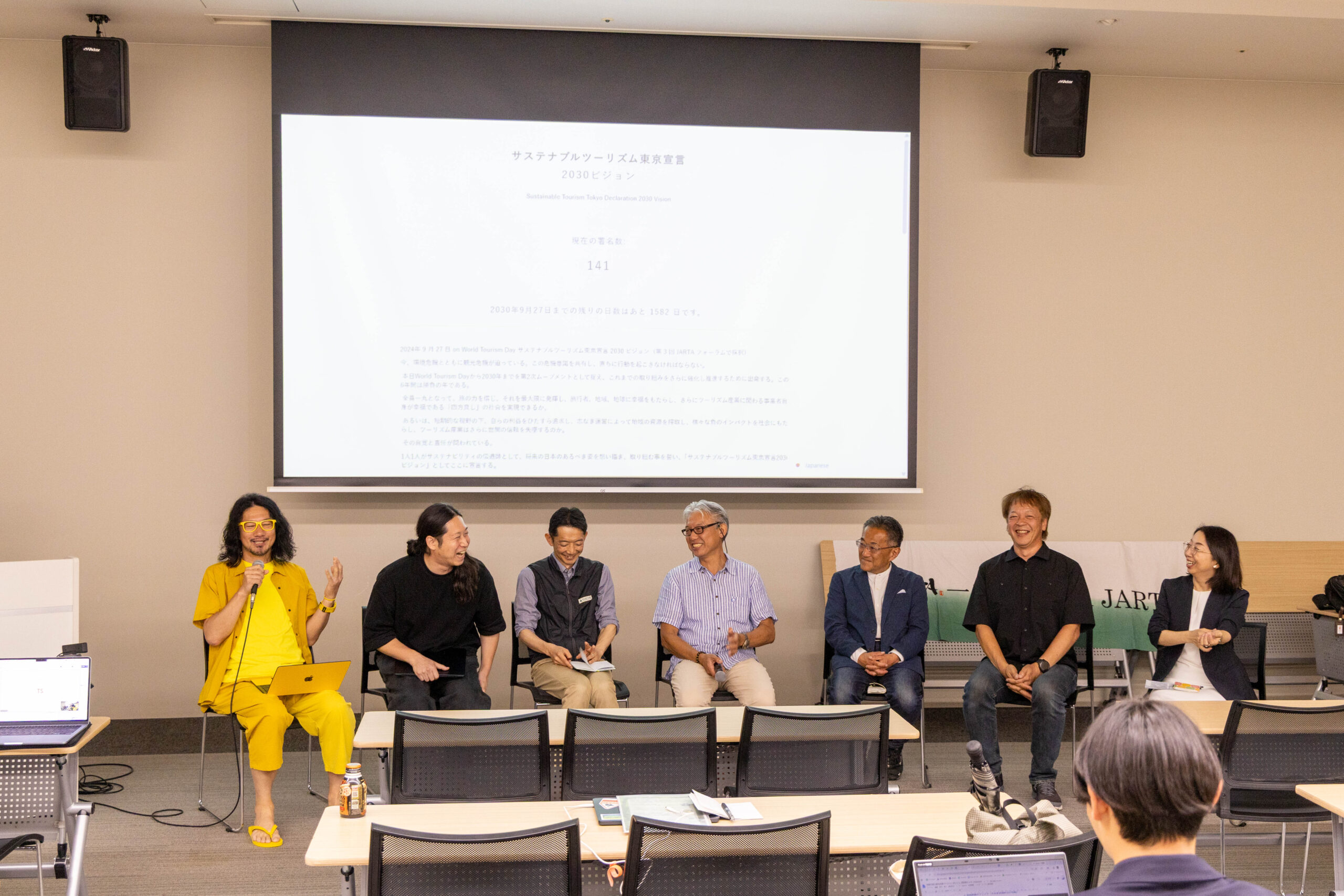

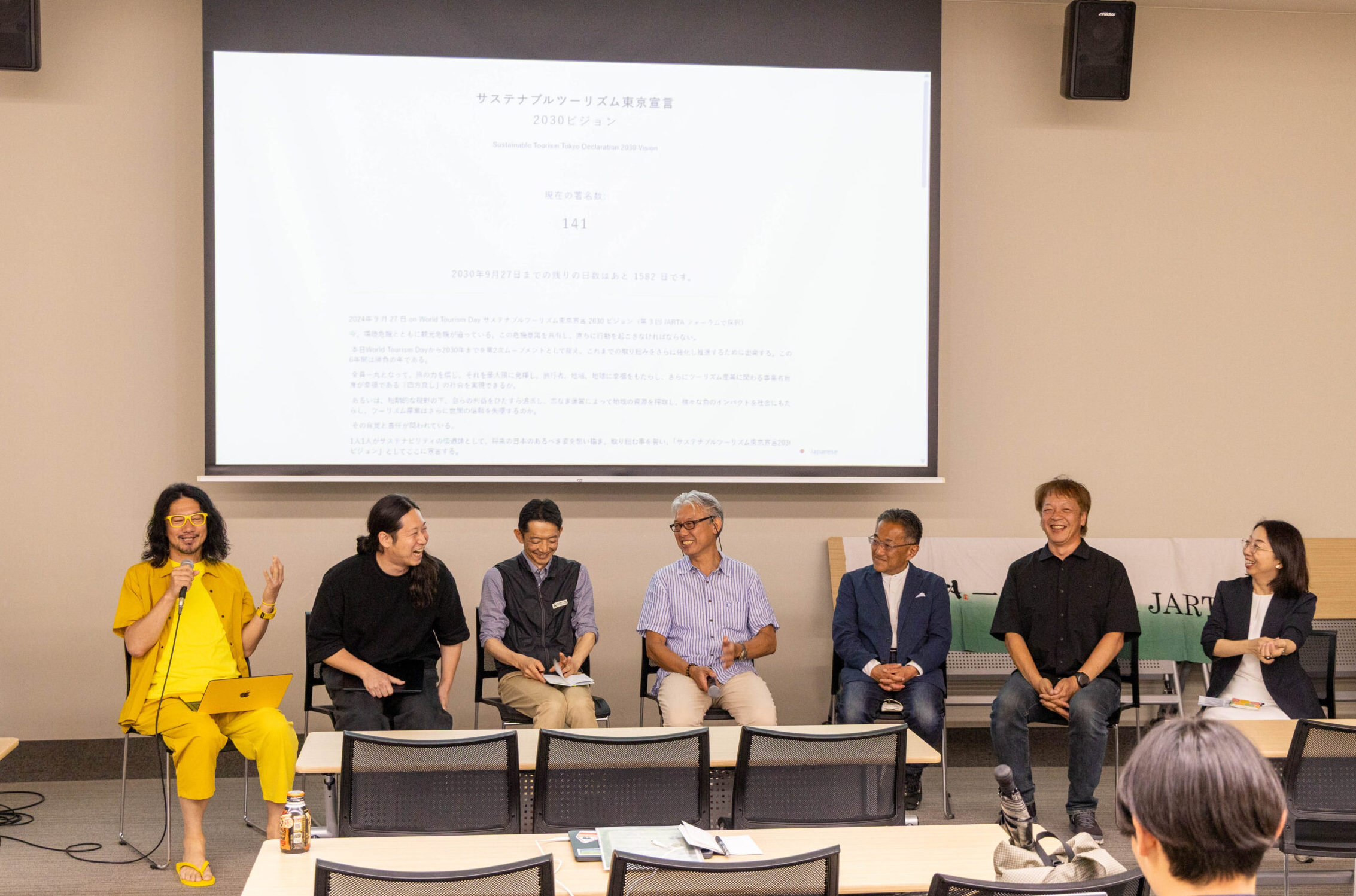
[Sendai Forum Summary Part 2] From Advanced Practices and Panel Discussions: Realistic Methodologies for Putting Sustainable Tourism into "Practice"
"Practical Symposium on Sustainable Tourism Destination Management in Sendai: Rethinking Tourism as a 'Tool for Regional Management'" was hosted by the Japan Association for Regional Tourism Advancement (JARTA).
Following Part 1, which covered the keynote speech, Part 2 delivers the concrete methodologies for translating sustainable tourism into action. This is brought to you through case study presentations by front-runners from across Japan and a panel discussion featuring a total of seven speakers.
■[Case Presentations] Four Realistic Models for Immediate Practice
In this session, speakers active on the front lines of their respective fields shared initiatives based on specific metrics and hands-on experience. Every single case was packed with insights on how to transform "philosophy" into "implementation."
① Leveraging Certification as a "Management Process": The Regional Economic Circulation Model
Mr. Koichiro Suzuki (Hokkaido Treasure Island Travel Co., Ltd.) spoke about the intrinsic value of certification, drawing from his experience achieving the "Travelife Partner" international certification in 2021.
He emphasized that the true value lies not in merely "acquiring" the certificate, but in the very process of making step-by-step improvements. For instance, by implementing CO2 offsetting for luxury tours, his company successfully balances environmental consideration with profitability. Furthermore, by promoting longer stays, they have built a system that increases economic returns to the local community.
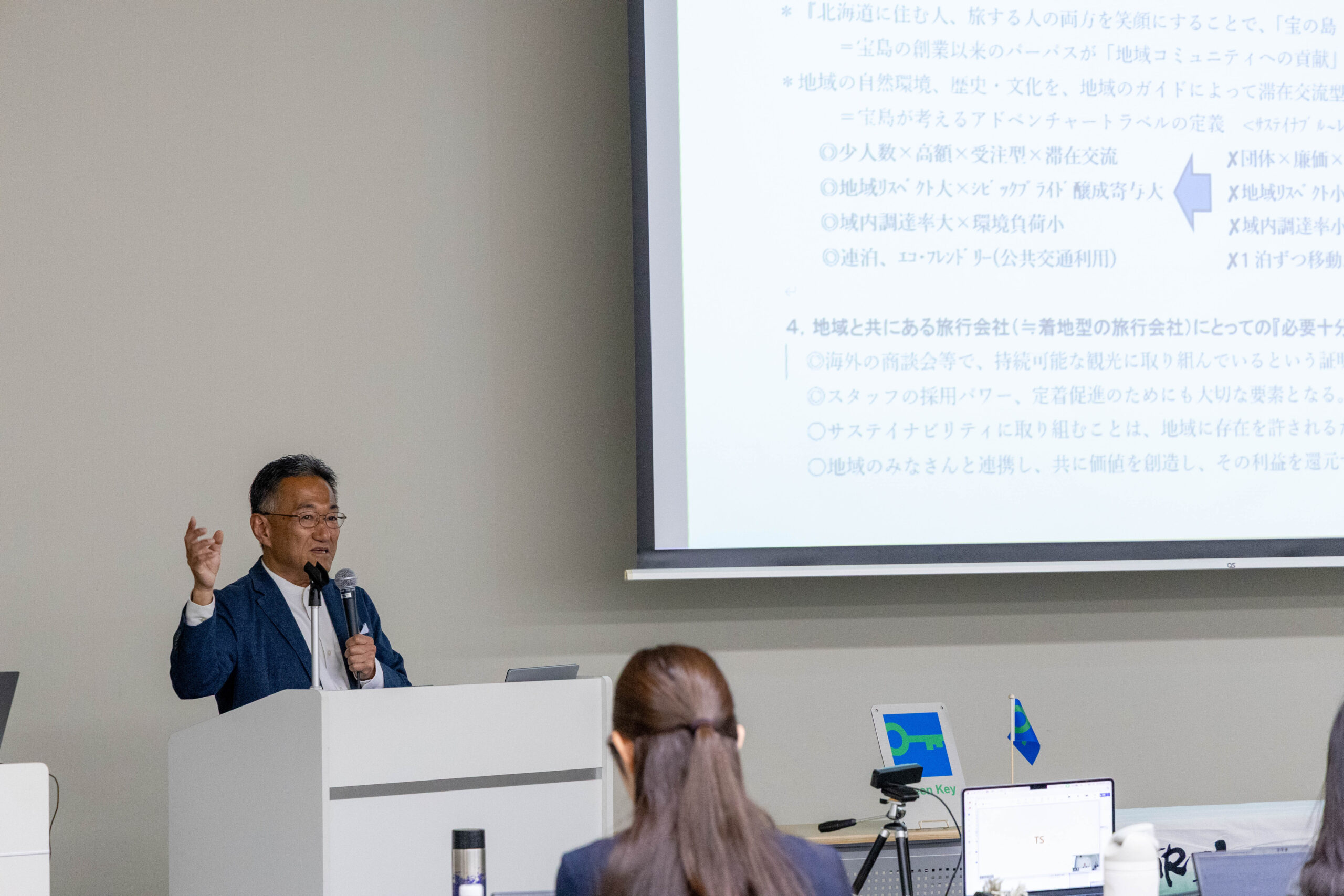
② Essential Conditions for Becoming a Destination of Choice: Adventure Tourism (AT) and International Standards
Mr. Kazuhiro Arai (Hokkaido Adventure Travel Association) explained how to design high-value experiences that integrate nature, culture, and guides.
He pointed out a harsh reality, particularly in Western markets: "Destinations that do not address sustainability will not even be considered by travelers in the first place." He stressed that rather than relying on intuitive efforts, continuous improvement driven by data collection and monitoring is indispensable.
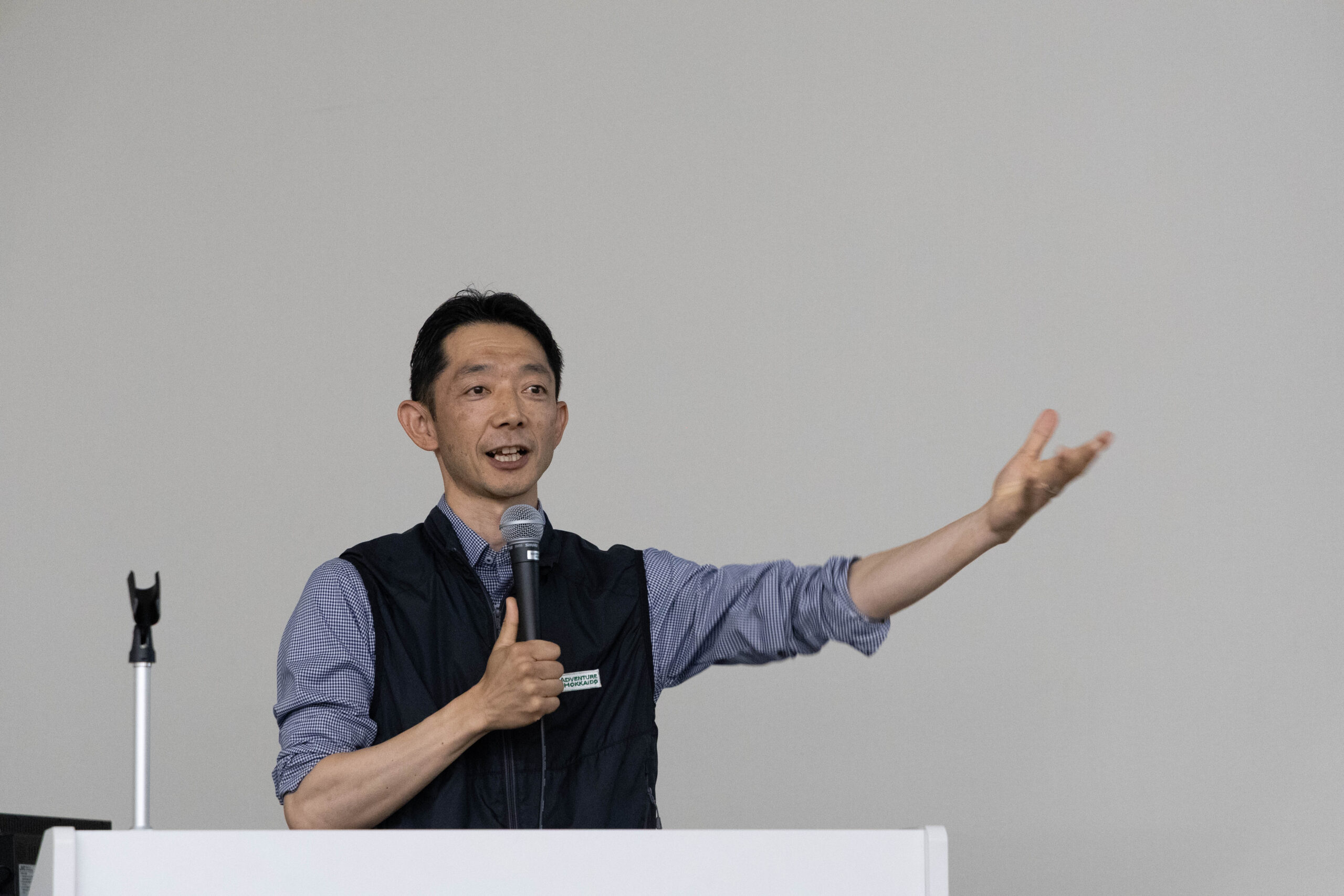
③ Creating Value Independent of Traditional Sightseeing Spots: Area-Wide Decentralization and the Tourism of Everyday Life
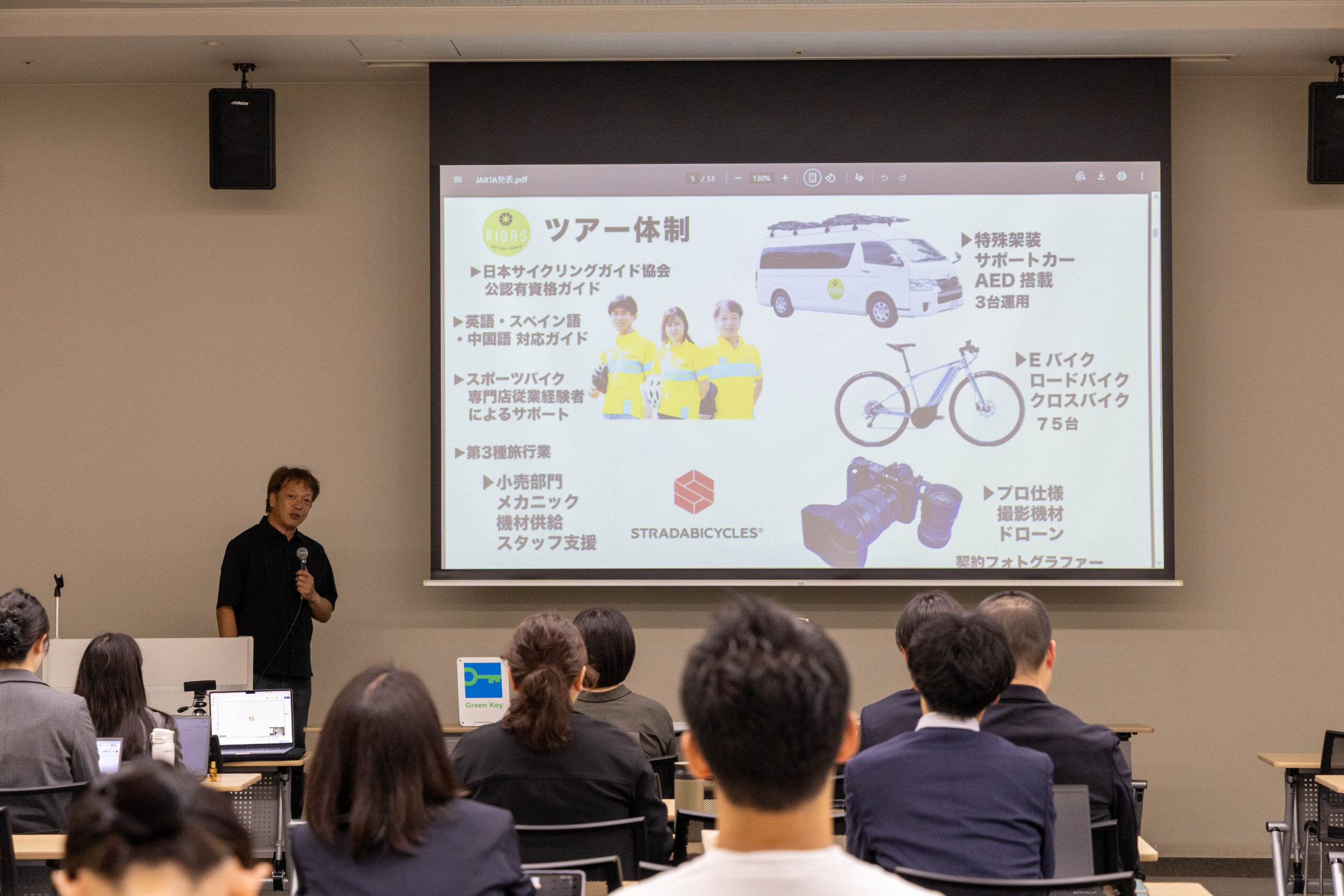
Mr. Hisashi Inoue (Rydas Co., Ltd.) presented the potential of regional development centered around cycle tourism.
Through high-value cycling tours and long-term stay initiatives, his company achieves "area-wide decentralization"—spreading economic benefits across the entire region while avoiding overtourism in famous sightseeing spots. He also introduced an approach that creates new appeal with minimal burden on the community by reframing everyday scenery and local lifestyles as valuable tourism resources.
④ Fostering Talent Through Community Initiative: Sustainable Tour Development
Ms. Yuka Abe (Anabuki Travel Inc.) introduced low-volume, high-value private tours and a 1,200 km Shikoku Pilgrimage project in the Shikoku region.
While demonstrating the importance of "flow design" to increase regional circulation, she proposed a unique model to address the worsening guide shortage: training local residents in their 60s and older to become community guides, thereby circulating human resources within the region. This case re-emphasized that the sustainability of tourism is ultimately sustained by people.
■[Panel Discussion] Overcoming the "Why" and "How"
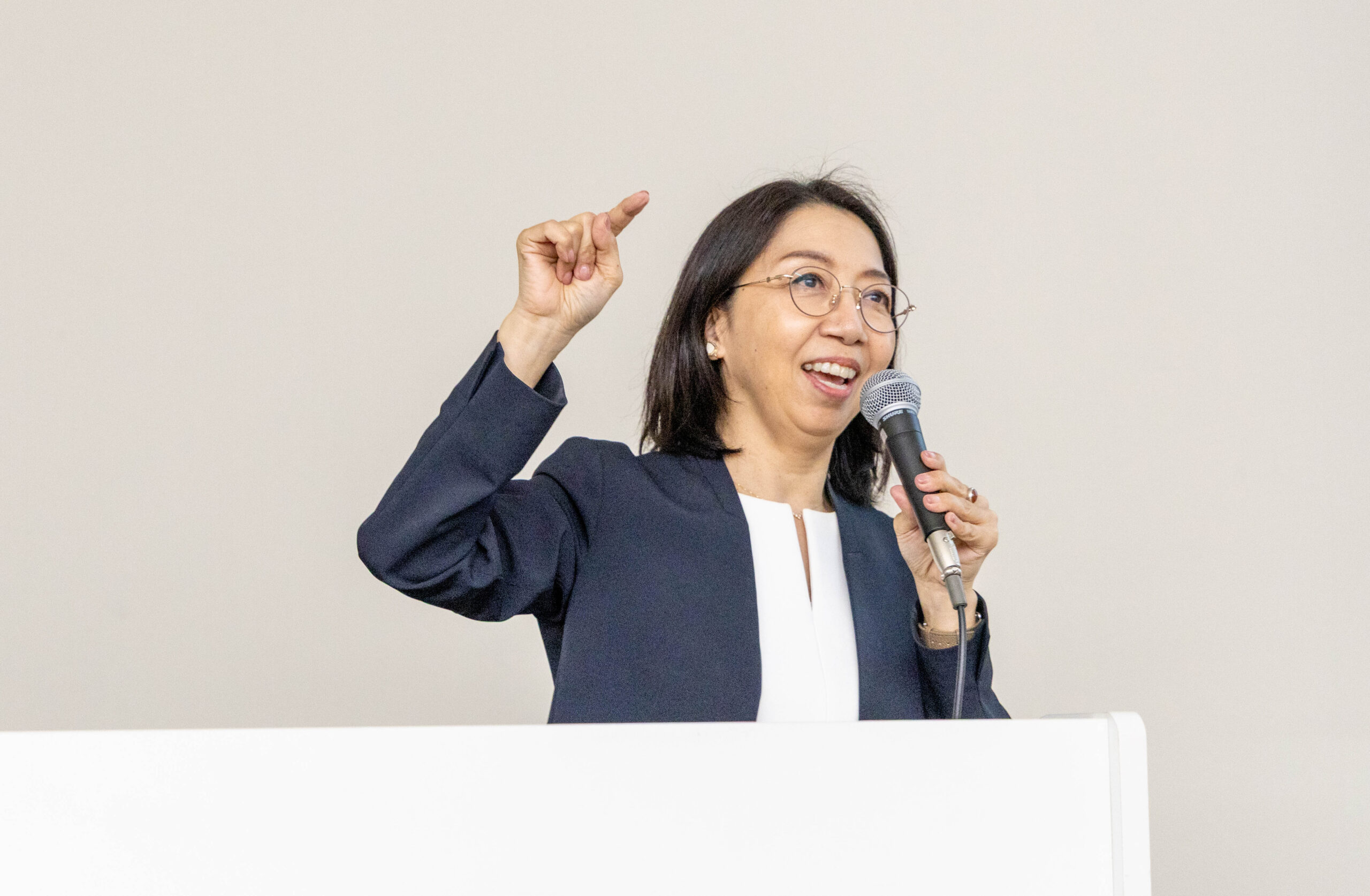
The panel discussion in the latter half of the symposium was moderated by Mr. Raisuke Nishitani (Inoutbound Tohoku Co., Ltd.). The four case presenters were joined by Mr. Takayama (Representative Director of JARTA) and Mr. Ryuta Kubo (Association of Sustainability Coordinators), bringing together a total of seven experts for a highly practical debate.
Mr. Nishitani opened the discussion with a problem statement: "While the 'understanding' of sustainability is progressing, challenges remain in 'how to put it into action.'" The debate deepened with questions from the audience.
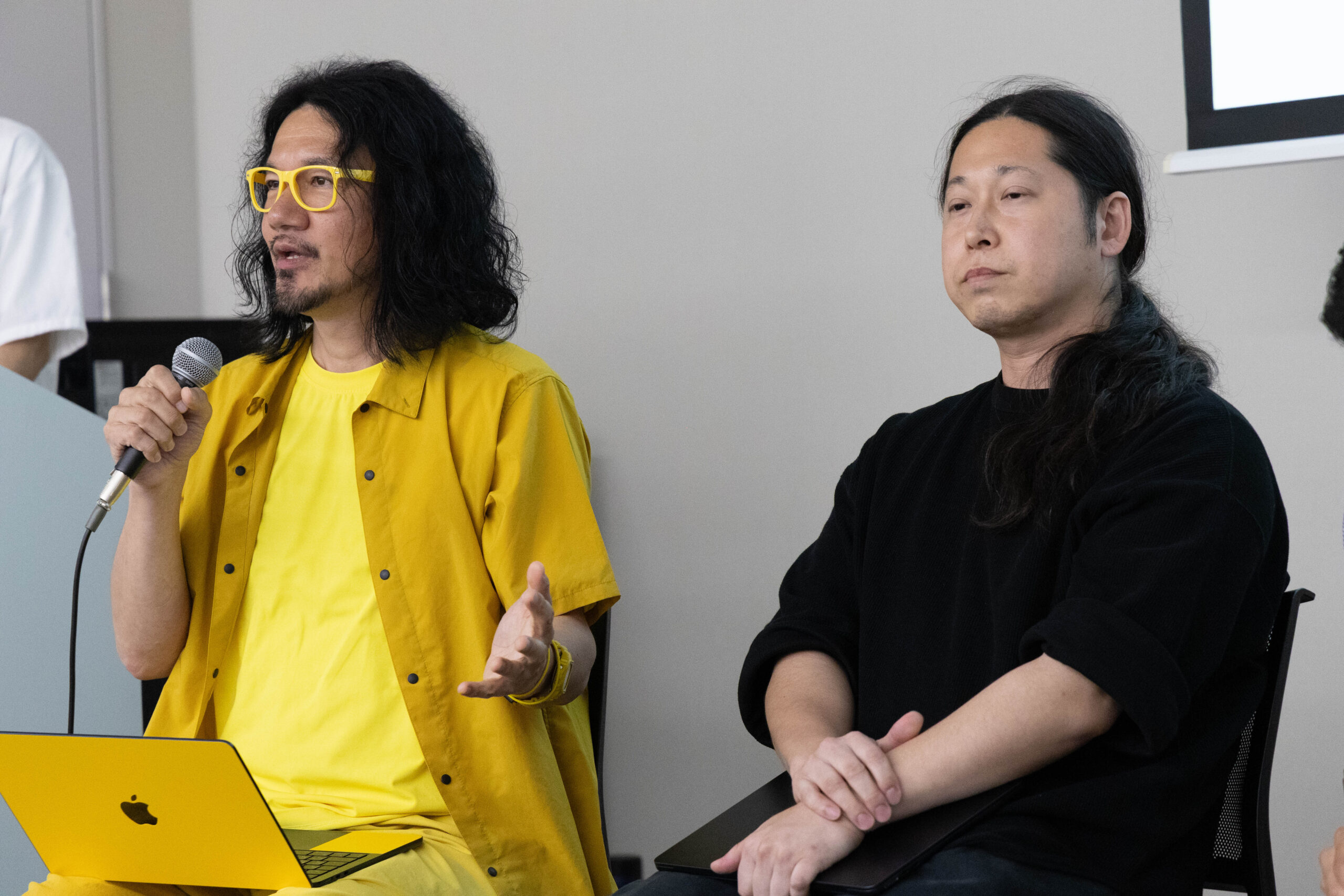
"Photo Left: Mr. Nishitani / Photo Right: Mr. Kubo"
1. The First Step for Local Governments and DMOs: Lowering the Hurdle with "Self-Diagnosis"
Responding to a question about how to face regional differences in enthusiasm and resource shortages, Mr. Takayama clearly stated, "There is no need to aim for highly advanced certifications right from the start." He suggested that initializing a "self-diagnosis" using a checklist of about 20 items is an effective way to visualize the current situation.
Reflecting on cases in Shikoku, Mr. Kubo added, "Both top-down political leadership and bottom-up passion from the ground are indispensable." The discussion concluded that instead of trying to move the entire region at once, a winning strategy is to make pioneering examples look "attractive" to inspire others to follow.
2. Balancing with Business: Redefining Tourism as an "Economic Development Policy"
On the theme of balancing profitability and sustainability, Ms. Abe presented a realistic approach: "Deliberately separating ideal sustainability initiatives from profit-generating business operations."
Mr. Nishitani also proposed a shift in perspective: reframing tourism policy not merely as creating experiences, but as an "economic development policy that drives the entire region." It was suggested that this perspective helps attract investment, form partnerships, and ultimately boost regional competitiveness.
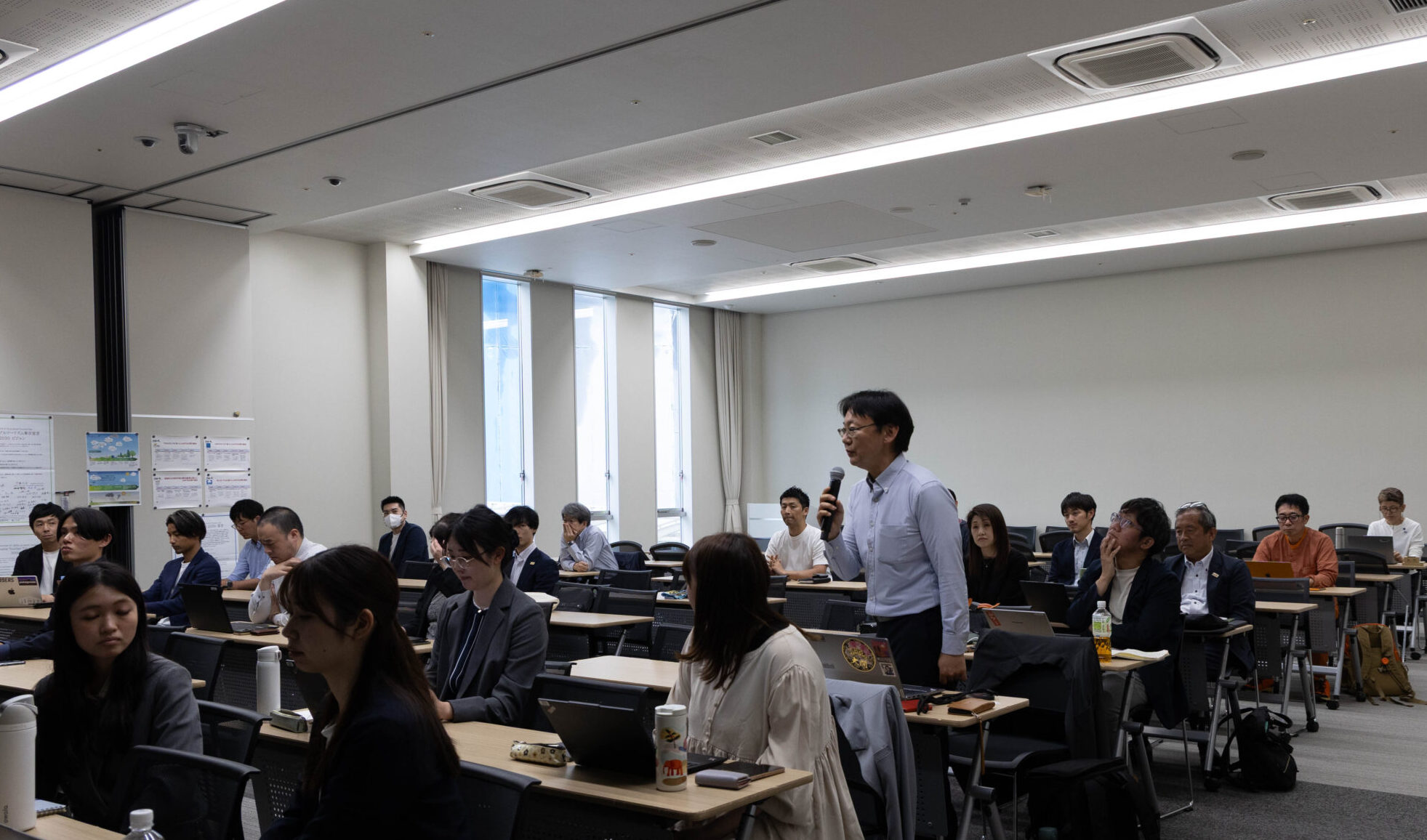
"A lively Q&A session ensued, with enthusiastic questions flying from the audience."
3. Leveraging "Japanese-ness" as a Strength: Harmonizing Culture and Sustainability
The discussion also focused on values deeply rooted in Japanese culture.
Daily behavioral norms such as cleaning up, mutual aid, and consideration for others are the very essence of sustainability. Panelists pointed out the importance of recognizing, systematizing, and communicating these cultural values. Furthermore, they agreed on the need for a marketing perspective: rather than imposing environmental friendliness as an "obligation," experiences should be designed so that travelers choose them simply because "they are fun."
■Conclusion: A "Journey" That Starts Small and Stays Fun
At the end of the session, the speakers shared a unified message:
"Sustainability is not about stopping in your tracks to achieve perfection. It is a 'journey' where you start small and continuously make gradual improvements."
Getting leadership involved, and above all, enjoying the process yourselff—the accumulation of these efforts is what makes sustainable tourism a reality.
The symposium closed with a powerful call to action, leaving many participants with a concrete vision for their next steps starting tomorrow.
■Summery
This concludes our two-part report on the 'Sustainable Tourism Destination Development Practical Symposium in Sendai.' Please also be sure to check out Part 1, the[Keynote Lecture Report]."
Spurred by the new connections made at this symposium, JARTA will continue to work alongside local communities and businesses nationwide to deepen our understanding of sustainability while building real-world practices.
For inquiries regarding seminars on sustainable tourism in general or consultations on various certification systems, please feel free to contact us via the official JARTA website.