

[Certified Facility Introduction] Mercure Kyoto Station: Data‑Driven Resource Reduction and Food‑Loss Measures Enabled by Guest Analysis
1. Facility Overview
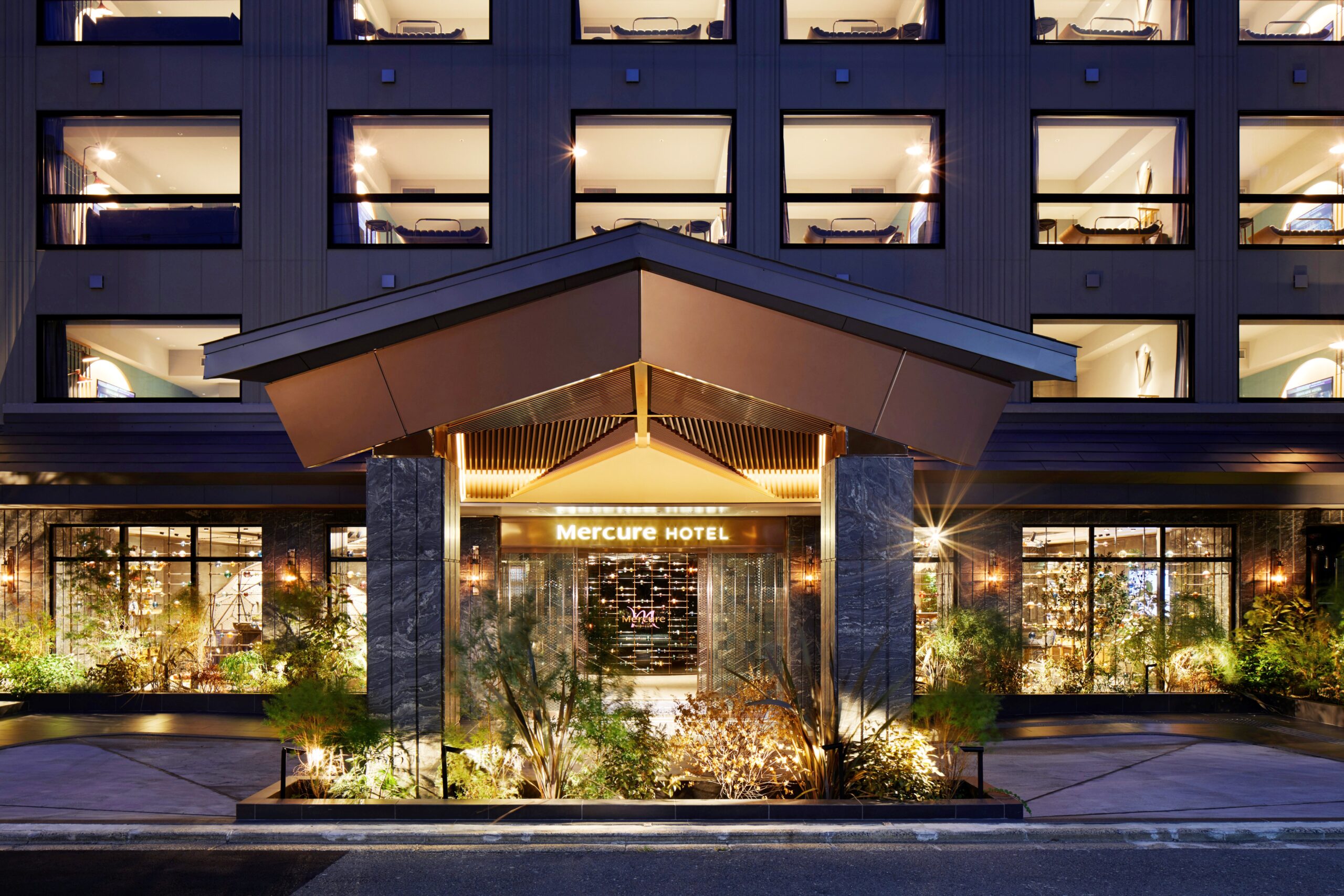
Located an eight‑minute walk from Kyoto Station, Mercure Kyoto Station is a city hotel with 225 guest rooms. With approximately 90% of guests coming from overseas, the hotel leverages its exceptionally high inbound ratio to advance unique environmental initiatives. Led by the Director of Rooms, the team maximizes existing infrastructure to implement effective resource‑reduction strategies.
2. Good Practices
By thoroughly analyzing guest demographics and behavior, the hotel has achieved an “offensive approach” to resource reduction—cutting consumption while maintaining guest satisfaction—and a circular food‑loss reduction model that eliminates waste at its source.
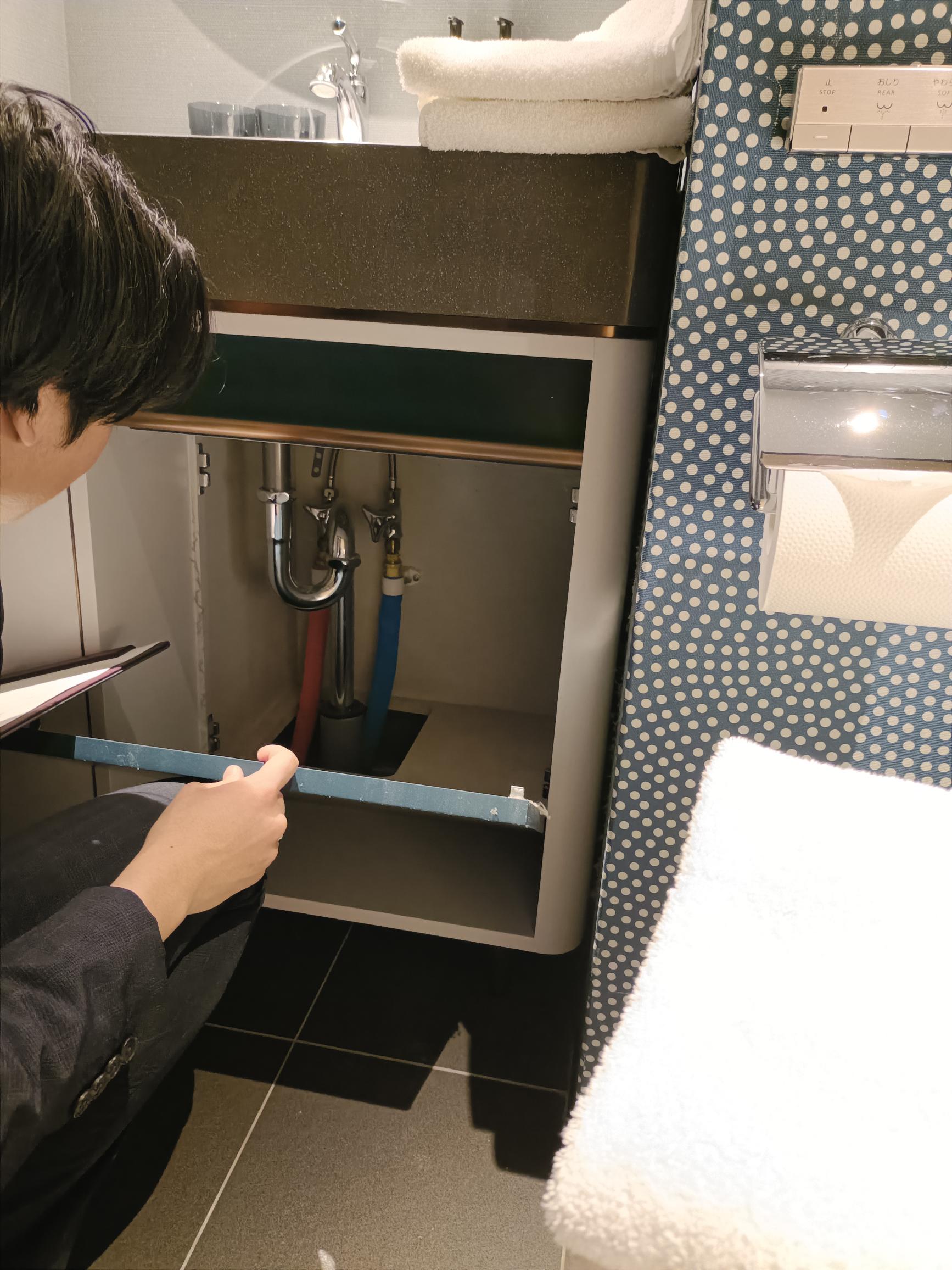
・Energy and Water Savings Leveraging Inbound Guest Characteristics: Based on the usage habits of international travelers, the hotel implemented measures such as setting bidet toilet seats to a default “off” mode and optimizing guest‑room air conditioning according to seasonal climate. Shower flow rates were also fine‑tuned to meet the hotel’s own satisfaction benchmark of 7 liters per minute. As a result, the hotel achieved significant energy savings without generating guest complaints.
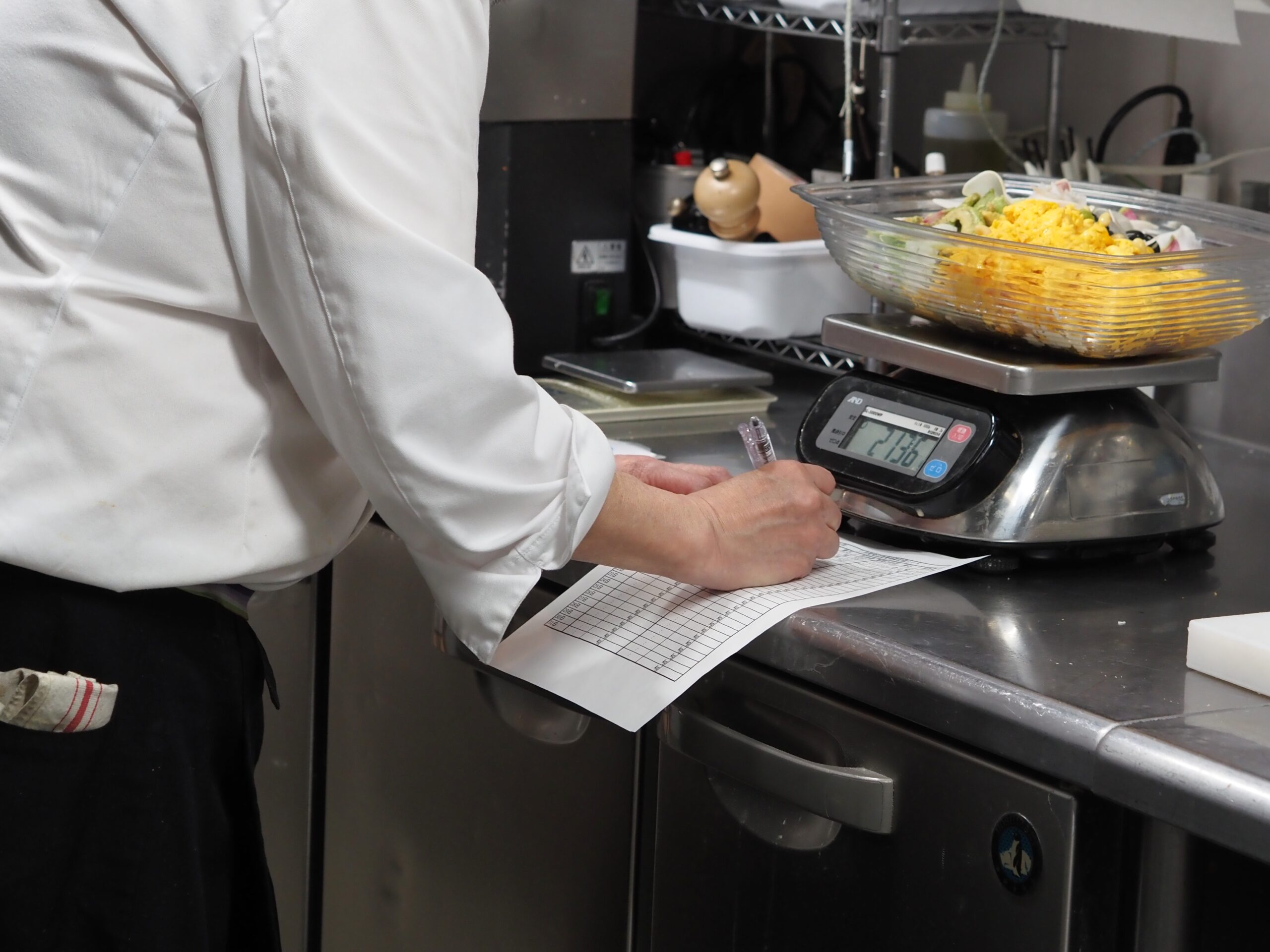
・Reducing Food Waste to “One‑Tenth” of Previous Levels: For breakfast service, chefs adjust the quantity of each menu item based on the day’s guest mix (region and nationality). Surplus edible food from the buffet is provided to the staff cafeteria, and remaining quantities are logged and monitored. Through this cycle, food waste has been reduced to roughly one‑tenth of previous levels. The initiative also creates a positive loop by supporting staff meals amid rising food prices.
3. Challenges
A key challenge is ensuring that sustainability initiatives do not become dependent on specific individuals, but instead take root as part of the hotel’s culture. Although a cross‑departmental committee system has been established—with representatives from each division—embedding awareness among all staff and building a sustainable long‑term framework remains a work in progress.
4. Message
“Hotels often feel constrained by the facilities they were built with, but there is far more that can be achieved through operational creativity. Especially in properties with a high inbound ratio, bold and unconventional initiatives can be implemented with guest understanding. Moving forward, we hope to deepen sustainable management across the organization while sharing challenges and insights with other facilities.”