

[Certified Facility Introduction] Mercure Sapporo: Regional Partnerships and Advanced Food‑Loss Measures Driving a Zero‑Waste Future from Northern Japan
1. Facility Overview
Located in Susukino, the largest entertainment district in Hokkaido, Mercure Sapporo is a lifestyle hotel featuring 285 guest rooms, banquet facilities, and a fitness center. In May 2025, the hotel became the first property in Hokkaido to obtain Green Key certification. The General Manager also serves as the sustainability lead for the brand’s domestic portfolio, guiding approximately 40 group hotels as a frontrunner in environmental initiatives.
2. Good Practices
The hotel’s approach is defined by waste‑reduction measures tailored to regional characteristics and resource management aligned with brand guidelines.
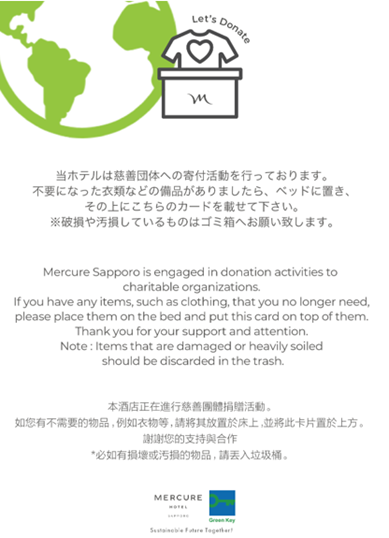
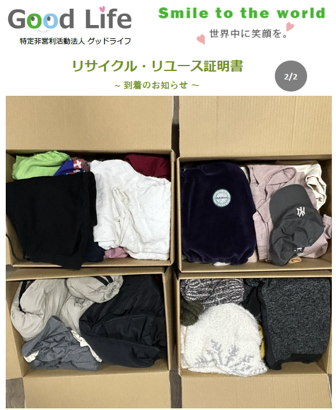
・Turning “Lost & Found” Items into Donations: During winter, the number of forgotten items such as ski wear and boots increases significantly. Instead of discarding them, the hotel established a donation pathway by partnering with an NPO. The hotel covers shipping costs and manages the donation process, achieving both waste‑reduction and social contribution.
《Information notice on in‑room donation options for unwanted clothing》
《Recycling certificate》
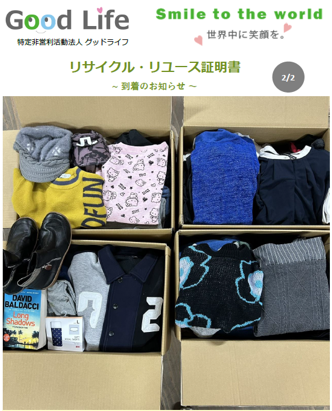
・Eliminating Single‑Use Plastics: In line with the group’s plastic‑reduction policy, the hotel donated approximately 5,000 remaining single‑use razors to an NPO. This avoids unnecessary disposal and ensures the items are used where they are genuinely needed.
・Strict “Water‑Draining” Protocol to Reduce Food Waste: To reduce the weight and environmental impact of food waste, the hotel introduced a process to thoroughly drain moisture from organic waste. By measuring and disposing only the solid portion, the hotel has achieved more accurate data management and significant waste reduction.
・Local Cleanup Volunteering:Staff participate in cleanup activities around the Susukino area and Soseigawa River to support local environmental conservation.
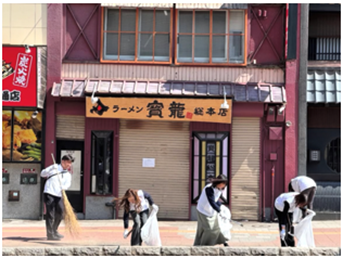
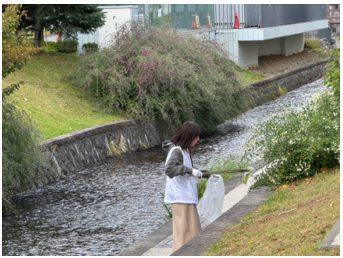
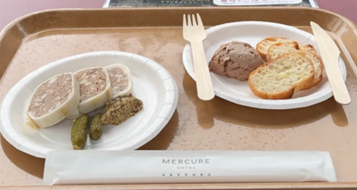
・Participation in Sapporo Autumn Fest:At this city‑hosted event, which mandates plastic‑free tableware, the hotel serves food using plant‑based materials such as paper and wood, contributing to the festival’s sustainability goals.
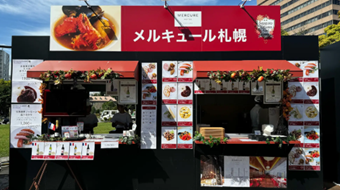
3. Challenges
A major challenge is the increase in food waste driven by rapid demand recovery.
・Strengthening Data Measurement and External Collaboration: As occupancy rises, waste volume increases proportionally. The hotel is currently enhancing measurement accuracy to better understand the situation. Looking ahead, they are considering partnerships with external organizations to implement more fundamental solutions that further reduce waste per occupied room.
4. Message
“Since becoming the first Green Key‑certified hotel in Hokkaido, we have received many inquiries from facilities across and beyond the region asking about the certification process. This has made us keenly aware of the growing interest in sustainability. As Hokkaido welcomes guests from around the world, we hope our initiatives can serve as a model and contribute to the sustainable development of the tourism industry as a whole.”