Preserving the Places We Love for the Future.
The beautiful nature that heals travelers and the rich blessings of the land—these are by no means promised forever.
To bring smiles to the faces of the guests before us and to connect this wonderful experience to the future. Facing the earth's rapidly approaching time limit, accommodation facilities that welcome travelers are now being called upon to change.
“Green Key” is a guideline for protecting the smiles of local communities and guests based on global standards. It is not merely an environmental measure, but a reliable sign (marker) for “intentional travelers” who wish for a sustainable future to find you.

Click here for more information on the certification
We host a monthly webinar to provide an overview of Green Key, held every third Friday at 11:00 AM (JST).
Anyone can join for free. Click below to register.

Point: A Sustainable Hub
Empowering Personal Transformation for Sustainability
A reliable proof of global standards.
Green Key is a long-standing international eco-label that was born in 1994 in Denmark, a country at the forefront of environmental awareness. It is awarded only to facilities that clear the strict criteria established by the Foundation for Environmental Education (FEE).
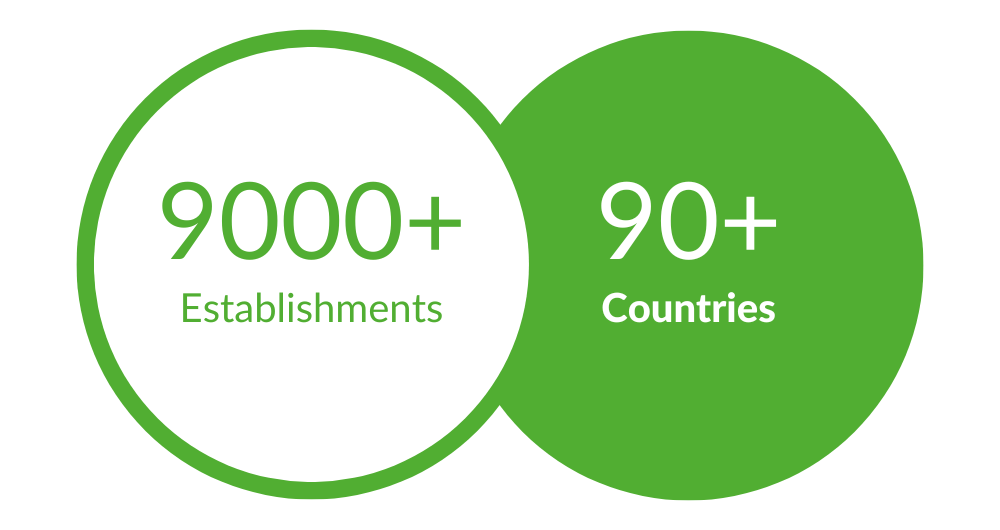
Currently, more than 9,000 facilities across over 90 countries and regions worldwide have obtained this certification. From campsites and cozy, family-run guesthouses to world-renowned 5-star hotels, accommodation facilities of all kinds are taking on this challenge for our shared future.
This is not a formal checklist or a point-based evaluation system. It is a system for truly intentional facilities that are required to “meet all” strict certification standards to protect the environment and local communities.
History of Green Key
| 1994 | Launched in Denmark |
| 2002 | The international NGO FEE (Foundation for Environmental Education) began operating it as an international certification program. |
| 2009 | The Green Key label acquisition system started in Japan. 3 domestic facilities obtained the Green Key label. Globally, 820 facilities across 14 countries, including Japan, acquired the label. |
| 2010 | 2 domestic facilities obtained the Green Key label. The number of Green Key certified facilities reached 1,250 across 18 countries and regions worldwide. |
| 2011 | 1 domestic facility obtained the Green Key label. The number of Green Key certified facilities reached 1,500 across 28 countries and regions worldwide. |
| 2019 | Approximately 3,100 facilities acquired it across 66 countries and regions worldwide. |
| 2022 | JARTA (Japan Alliance of Responsible Travel Agencies) launched the operation of the service window for domestic operators. |
| 2026 | The number of certified facilities reached 9,000 across 90 countries and regions worldwide. In Japan, 50 facilities have obtained the certification. |
List of Certified Facilities
From "Wasteful Luxury" to "Comfortable Sustainability."
“The services we used to take for granted were actually causing a significant environmental impact.” Many accommodation facilities working on Green Key start with this very "realization."
In recent years, the gap between the awareness of service providers and the needs of the guests receiving those services has been widening.
Our goal is not to force guests to endure sacrifices or inconveniences. While maintaining the premium quality of hospitality, there is a future we can protect simply by reviewing our conventional systems. Furthermore, these initiatives directly link to cost reduction.
Here is the reality we must face:

The environmental impact behind “leaving water running”
The daily collective washing of sheets and towels, and excessive water usage in guest rooms. Behind hospitality, enormous amounts of water resources and energy are consumed every day. We will transition to a reasonable water-saving scheme while respecting the choices of our guests.

The shadows of "luxury" where lives disappear
Is all the food that fills the table really necessary? The perspective of food loss due to excessive purchasing and leftovers, as well as how far the ingredients have been transported (food mileage). We will transform into a system that provides the rich blessings of the region in a truly valuable way.

New habits that do not assume "disposable" items
Plastic toothbrushes and hairbrushes lined up in rooms. Not a few are discarded without being used even once. We are required to update the experience from “having it as a matter of course” to “using what is truly necessary with care.”

Energy consumed in unseen places
Air conditioning that keeps running in empty guest rooms, unused lighting in common areas, and standby power. We will "visualize" the energy efficiency of the entire facility and thoroughly reduce unnecessary CO2 emissions without compromising the comfort of our guests.
Crossing the walls of facilities to blend with the community.
Green Key initiatives do not end within the walls of accommodation facilities. That globally recognized perspective steps outside and expands to the "entire city and community" we love.
Contributing to the future of the land as a member of the local community, despite being a private enterprise. Facilities that have acquired Green Key serve as warm hubs that involve the surrounding environment and people.
Here is our approach to practicing community engagement:

City Cleanup Activities
Protecting beautiful landscapes together with the community The nature and streets stretching outside the hotel are also precious regional assets. Regularly conducting surrounding cleanups and beach cleans by joining hands not only with staff but sometimes also with guests and local residents. We create a culture of protecting beloved scenery together.

Site Greening and Ecosystem Protection
Bringing small nature into the concrete city We plant native trees and flowers within the hotel premises to increase rich greenery. This goes beyond merely improving aesthetics; it heals the regional environment in unseen ways, such as protecting small ecosystems where birds and insects gather, and mitigating the urban heat island effect.

Contribution to Local Economy and Culture
The cycle of value starting from local production for local consumption We actively incorporate local traditional crafts and specialties not only into dining ingredients but also into guest room interiors and amenities. By supporting local producers and conveying the unique culture and charm of the land to guests, we generate a rich cycle of economy and culture.
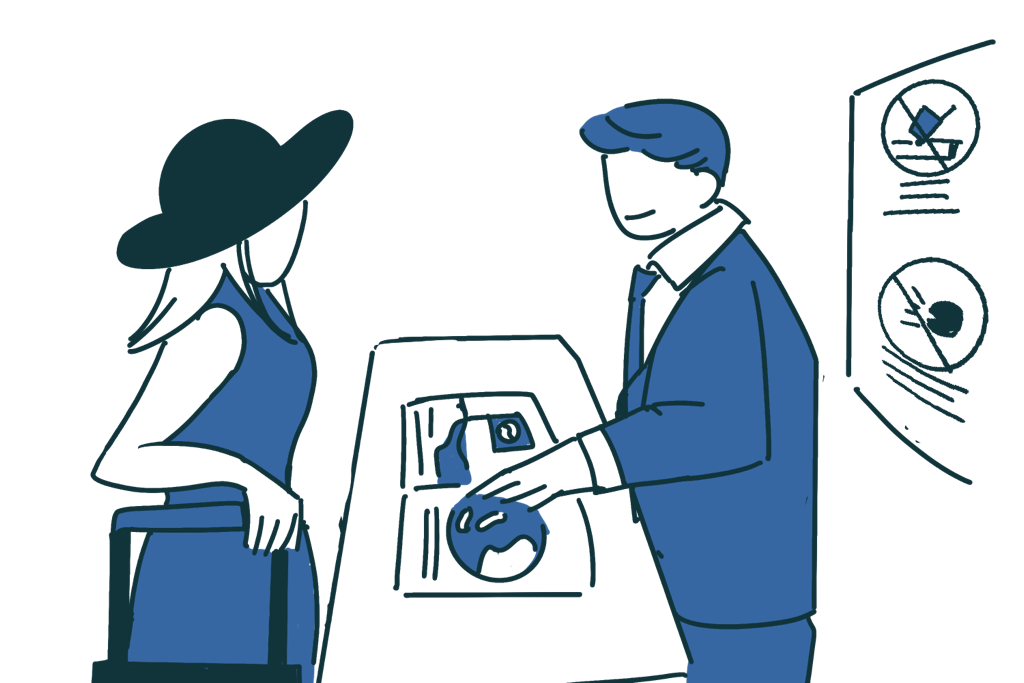
Connecting Thoughts to Future Generations
Practicing the "Environmental Education" in the Green Key criteria We practice environmental education, which is one of the Green Key criteria. By holding environmental workshops for local children and providing activities where guests can experience the importance of nature, the facility becomes a "place of learning," sowing seeds for a sustainable future.
To everyone setting out on a journey.
If you thought, “Green Key is a certification for accommodation facilities, so it has nothing to do with me,” please know this:
Which inn you stay at, which destination you choose—your "choice" itself is the most powerful expression of intent to change the future of the earth.

The beautiful scenery that made you tremble with emotion at your travel destination. To experience it once more, and to hand it over to someone you have yet to meet or to the next generation.
On your next trip, please look for the "Green Key" mark. That choice will be a wonderful sign of your support to sustain hotels that protect the earth and to champion sustainable travel.
Click here for more information on the certification
【Voices we want you to deliver together】
At JARTA, we are making a “Sustainable Declaration” together with not only operators but all people who love travel to create the future.
“I want to protect the environment and culture of travel destinations.” Instead of leaving that thought entirely to operators, why not declare it to the world in your own words?
Your small signature will become a large wave that changes the way tourism should be from now on. Please deliver your voice to us as a fellow companion of sustainable travel.

Domestic Awarded Accommodations:53 Facilities