1. Facility Overview
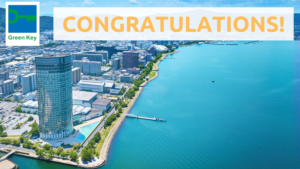
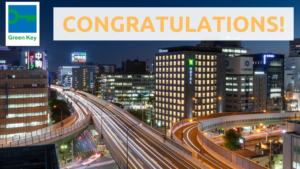
大阪の堂島エリアに位置し、遊び心あふれるデザインが特徴の「アロフトbyマリオット大阪梅田」。従業員約60名という少数精鋭のセレクトスタイルホテルでありながら、スタッフ一人ひとりの環境意識を高め、5年後、10年後も持続可能な運営体制の構築を目指しています。
2. Good Practice
The hotel’s strengths lie in utilizing technical data and incorporating frontline perspectives into organizational management.
Precise Water Volume Adjustment Using Water Pressure Gauges: Initially, restricting the shower water volume uniformly across the board triggered secondary issues, such as a drop in toilet water pressure and unstable hot water temperatures at the washbasins. In preparation for their second-year renewal, the team collaborated with facility maintenance engineers to re-adjust the system using "water pressure gauges." By optimizing adjustments to match the actual structure of the water pipes, they successfully balanced water conservation with maintaining customer satisfaction (resolving the issues).
・3A Three-Person "Champion" System: To prevent the project from becoming a "silo" dependent on specific individuals, three designated members currently lead the initiatives. By including staff members who are well-versed in frontline operations as leaders, the hotel has established a system to swiftly capture improvements and effectively communicate environmental efforts to guests.
3. Challenges
The greatest and most continuous challenge is "unifying awareness across all 60 employees." The hotel daily explores ways to improve the quality of training and information sharing so that all staff members—not just a select group of representatives—can approach sustainability with the exact same level of passion.
4. Message
"In select-service hotels, a shared dilemma is how to tackle these initiatives efficiently and continuously with a limited number of people. We hope that by sharing our failures and solutions, we can grow together with other facilities facing similar challenges."



-scaled-e1792636982273-300x171.jpg)