Facility Introduction
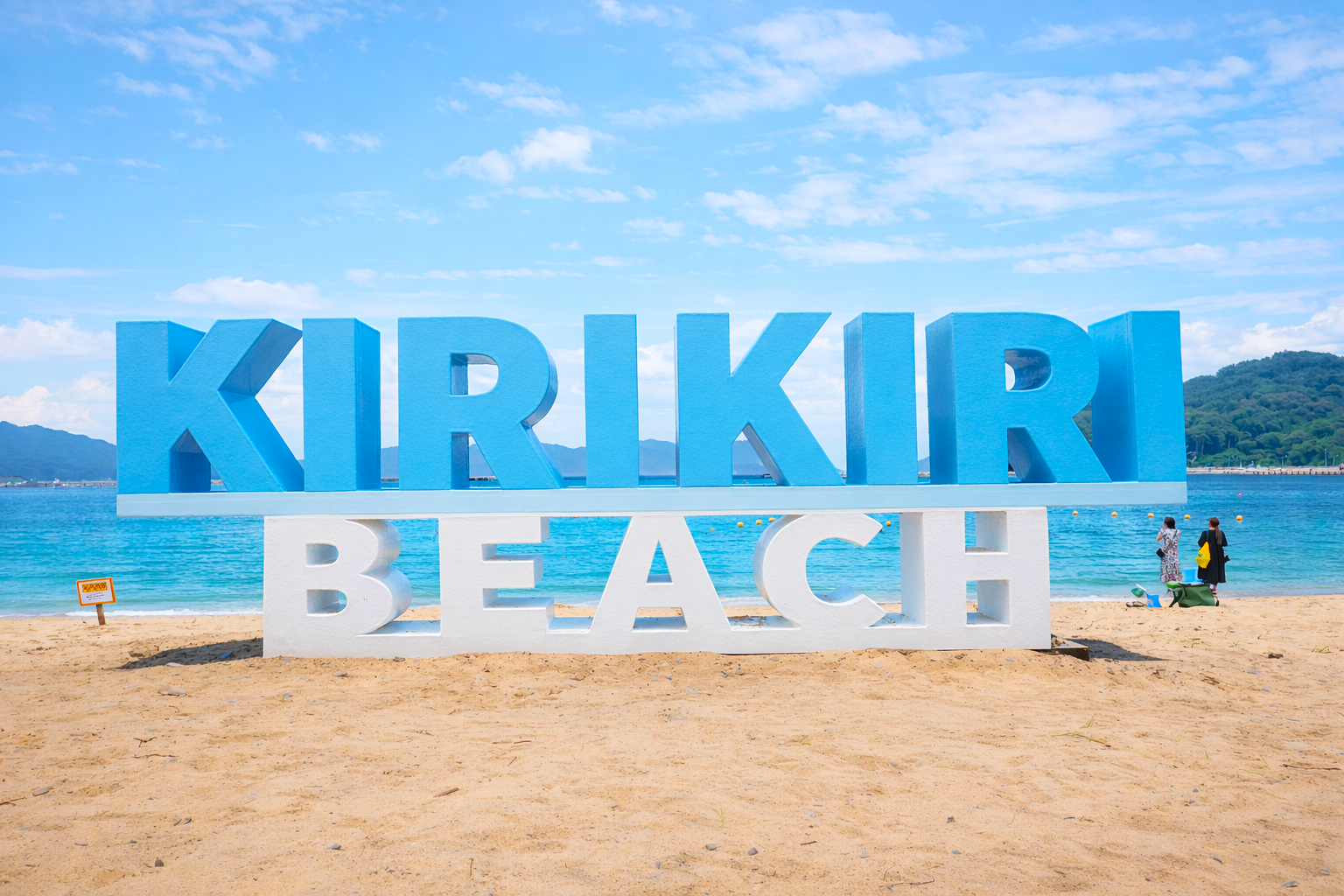
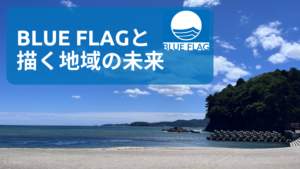
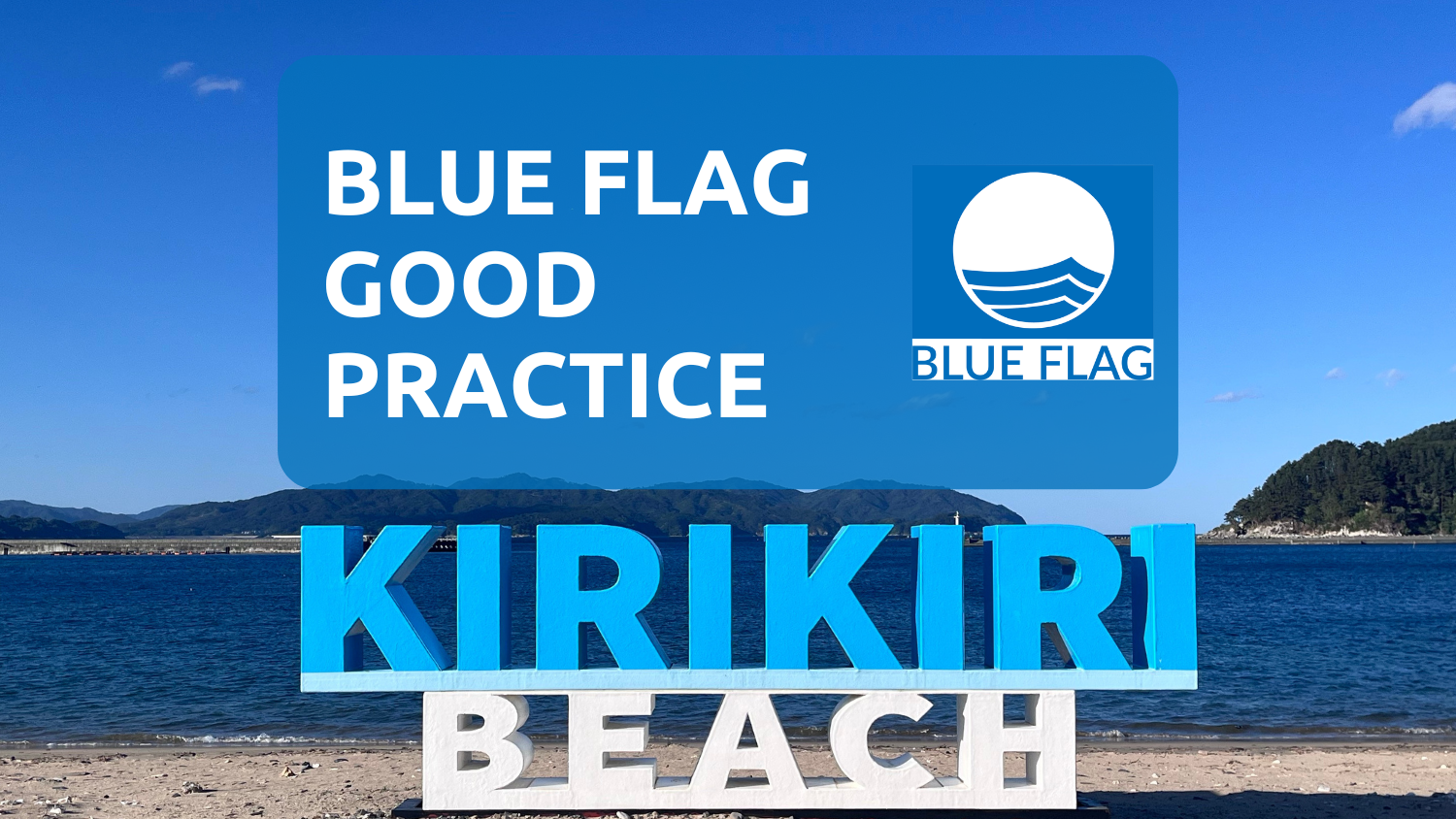
Located in Otsuchi Town, Iwate Prefecture, Kirikiri Beach features beautiful white sand and some of the clearest waters in the Sanriku Coast. Long known as a "singing sand" (nakisuna) beach, it retains a landscape of rich, pristine nature. Since first acquiring the international Blue Flag eco-label in 2025, the beach has renewed its certification in 2026, maintaining it for two consecutive years. In recent years, it has attracted growing attention not only from domestic travelers but also from international inbound tourists, as it is located near the world-renowned Wind Phone (Kaze no Denwa) and along the route of the Michinoku Coastal Trail, a long-distance nature trail. Following its recovery journey from the Great East Japan Earthquake, passionate local residents have taken the lead in developing a warm, community-driven local blue tourism that blends traditional culture with nature experiences.
Good Practice
1. "Handmade Events" Mobilizing Local Bonds and Community Power
Kirikiri’s greatest strength lies in invigorating its ocean through the "power of community," bringing together local businesses, neighborhood NPOs, and residents rather than relying on large budgets or top-down organizational structures.
For the opening of the beach season, the community cherishes traditional Shinto rituals inviting local Shinto priests and children, fostering a shared culture of gratitude and prayers for safety at sea. Furthermore, they continually plan and execute unique events where residents and travelers alike can actively participate—such as environmental education tied to upcycling fishing nets utilizing local specialties. By sustaining the community engagement required by the Blue Flag not as a burdensome obligation, but with the joyful energy of a festival where everyone can smile, Kirikiri serves as an inspiring good practice for other local beaches.
2. Upgrading Safety, Quality, and Meeting Needs Led by Activity Operators
Private operators and emerging NPOs active along the beach have begun taking the initiative, raising the value of a "safe sea" through concrete field-led rules.
In response to the growing demand for blue tourism and marine activities such as SUP, local operators have taken steps to update voluntary safety management standards—such as making life jacket usage mandatory. Rather than being bound by top-down administrative rules, the marine guides themselves possess a strong sense of personal responsibility to ensure visitors enjoy the Sanriku sea safely. This bottom-up approach serves as a powerful foundation supporting the rigorous safety standards of the Blue Flag.
Local Voice
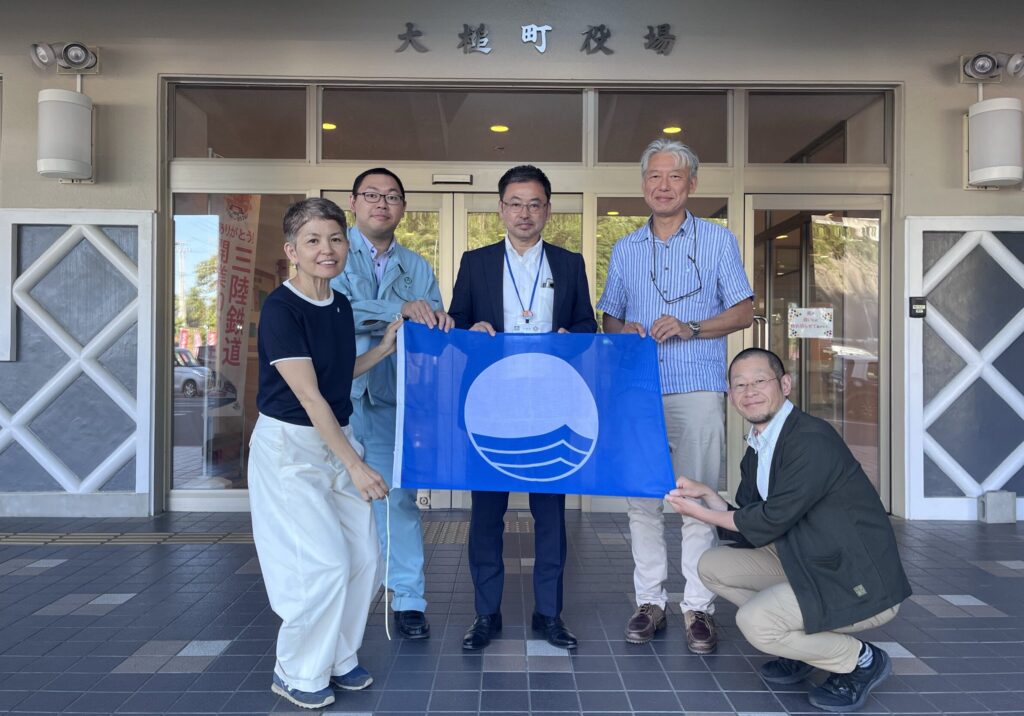
"While we acquired the Blue Flag as part of our blue tourism initiatives, we feel there is still work to be done to connect it to regional revitalization and economic sustainability. How we utilize the certification—including covering the costs to maintain it—is a challenge we are tackling right now. Still, seeing an increasing number of visitors stopping by the nearby Wind Phone or hikers walking the Michinoku Coastal Trail is a tremendous encouragement to us. Cherishing these local connections and expansions, we will continue taking step-by-step measures alongside our local peers to further elevate the appeal of Kirikiri's ocean."